INFAQ IN ISLAM: DEFINITION, EVIDENCES, AND IMPORTANCE
In Islamic teachings, wealth management is not merely focused on the accumulation of riches, but also on the manner of its expenditure and distribution. Among the highly encouraged philanthropic instruments is infaq. A clear understanding of its definition, scriptural evidences, and significance can shape the mindset of Muslims to be more generous and caring towards community welfare.
Definition and Scriptural Evidences
Linguistically, infaq is derived from the word anfaka, which means "to spend" or "to disburse wealth." From a Shariah perspective, infaq refers to the act of spending a portion of one's wealth in the cause of Allah SWT, whether obligatorily (such as family maintenance) or voluntarily (such as charity and welfare contributions).
This practice is explicitly ordained through the Quran and Prophetic traditions. Allah SWT says:
"O you who have believed, spend from the good things which you have earned..." (Surah Al-Baqarah: 267)
Prophet Muhammad (PBUH) also emphasized the virtues of infaq, stating that not a day passes for the servants of Allah except that two angels descend, praying that Allah SWT replaces the wealth of the person who gives in charity with multiplied blessings.
The Importance of Infaq to the Ummah
Infaq plays a vital role in building a sustainable societal ecosystem. Among its key benefits are:
-
Purifying Wealth and Soul: Cultivating generosity while eradicating stinginess and greed within oneself.
-
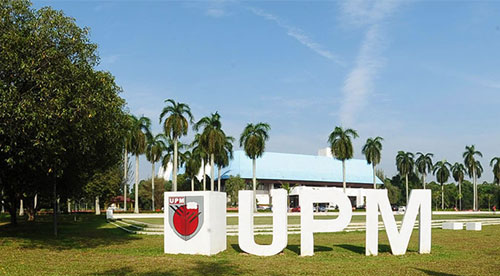
Empowering Educational and Welfare Institutions: Providing flexible funding sources to support knowledge, volunteerism, and emergency aid programs, especially in campus institutions like WAZAN UPM.
-
Strengthening Brotherhood: Fostering bonds of affection and unity between the affluent and the needy.
In conclusion, infaq is a profound manifestation of faith. It proves that the wealth in our hands is merely a temporary trust to be utilized for the pleasure of Allah SWT in this world and the hereafter.
Date of Input: 29/01/2026 | Updated: 21/08/2026 | rizal_helmi
MEDIA SHARING








.png)